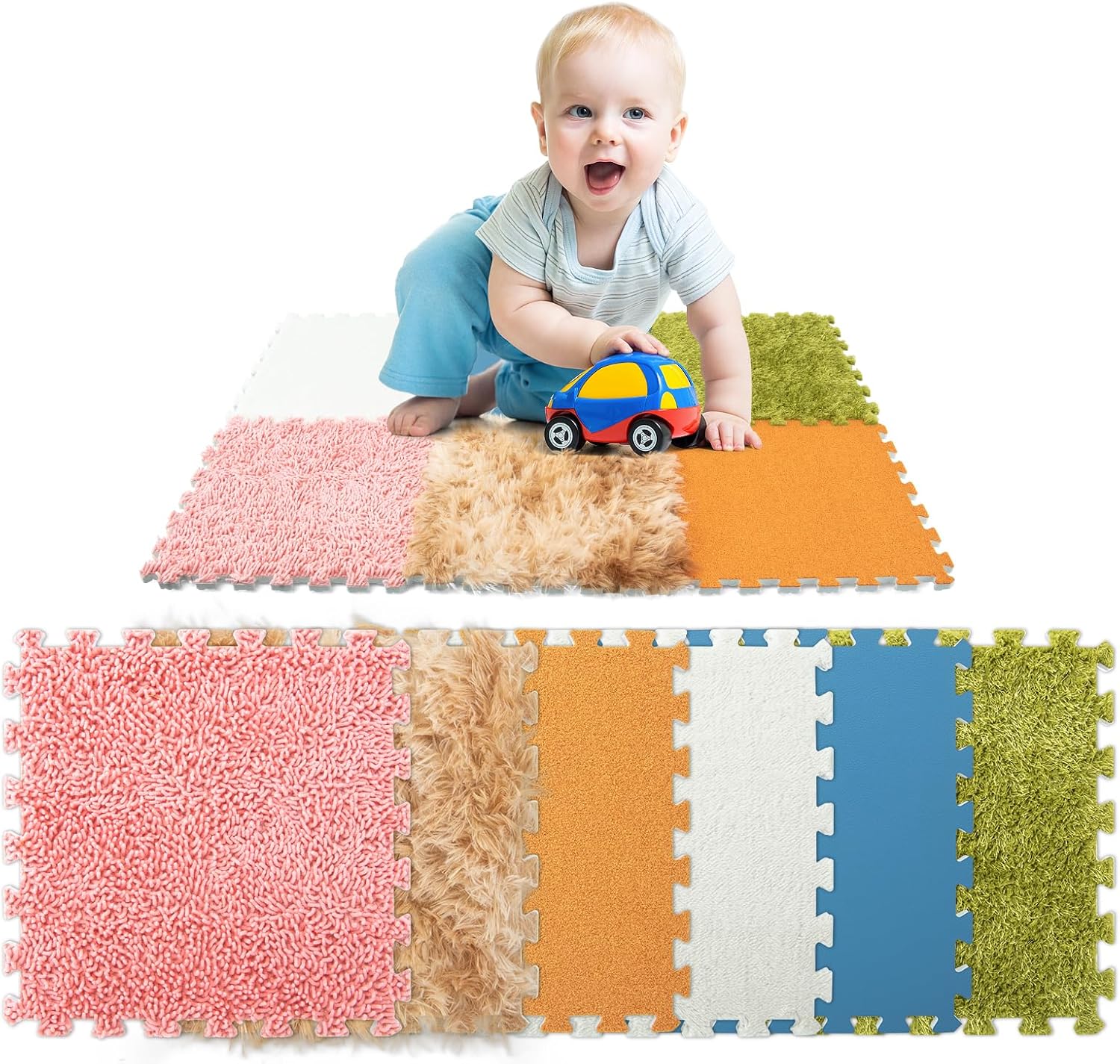
Edusense is a trusted name in sensory and developmental products, renowned for its innovative foam flooring solutions that blend safety, durability, and therapeutic benefits. Specializing in interlocking foam mats and sensory tiles, the brand caters to parents, educators, and therapists seeking versatile options for playrooms, daycares, and calming corners.
Brand Overview
Edusense focuses on creating products that support early childhood development and sensory integration. Their lineup includes textured foam mats and interactive tiles designed to stimulate senses while providing a cushioned, slip-resistant surface. These items are ideal for fostering motor skills, balance, and sensory exploration in a fun, engaging way.
What Makes Edusense Stand Out
Edusense products excel in quality construction, featuring thick, durable foam that withstands daily use in high-traffic areas. The interlocking design ensures easy assembly and reconfiguration, making them adaptable to any space. With a variety of textures and colors, they promote tactile learning and visual stimulation, setting them apart in the market for developmental aids.
Built with safety in mind, the mats offer anti-slip backing and non-toxic materials, giving parents peace of mind. Edusense's reputation for reliability stems from their commitment to practical, effective designs that meet the needs of children with diverse sensory requirements.
Product Quality and Reputation
Edusense maintains high standards in manufacturing, using robust materials that resist wear and tear. Customers appreciate the brand's attention to detail, from seamless interlocking edges to vibrant, fade-resistant colors. This dedication to excellence has earned Edusense a strong following among families and professionals in child therapy.
The brand's products are versatile, transitioning effortlessly from playtime to therapy sessions. Their foam flooring options, found in categories like Foam Flooring, provide a soft landing for active kids while supporting sensory motor development.
Who Are Edusense Products Best For?
These products are perfect for parents of young children, especially those with autism or sensory processing needs. Daycares, preschools, and occupational therapists also rely on Edusense for creating stimulating environments. Whether outfitting a home playroom or a professional therapy space, the mats encourage imaginative play and physical activity safely.
- Parents seeking developmental toys that double as flooring
- Educators needing durable classroom solutions
- Therapists recommending sensory aids for motor skill building
Key Product Categories
Edusense shines in specialized areas such as Flooring Materials under Tools & Home Improvement, where their foam tiles offer practical building solutions. In the Health & Household realm, they dominate Sensory Motor Aids and Occupational & Physical Therapy Aids, providing tools that enhance therapy outcomes.
Explore their sensory floor tiles with multiple textures for autism support and baby development, or liquid-filled tiles that add an interactive element to learning. These categories highlight Edusense's role in bridging home improvement with therapeutic wellness.
Frequently Asked Questions
What are Edusense products primarily used for?
Edusense products are designed for sensory play, child development, and therapy, including foam mats for playrooms and interactive tiles for autism support and motor skill enhancement.
Are Edusense mats easy to clean and maintain?
Yes, the mats feature non-porous surfaces that wipe clean easily with mild soap and water, ensuring hygiene in busy environments like daycares or homes.
Can Edusense flooring be used outdoors?
While optimized for indoor use, some mats have weather-resistant qualities; check specific product details for outdoor suitability.
Do Edusense products interlock securely?
Absolutely, their puzzle-style interlocking system provides a stable, gap-free surface that stays in place during active play.
Are Edusense items suitable for all ages?
Primarily for infants, toddlers, and young children, they support early development but can be enjoyed by older kids in therapy settings.