Fitbit Brand Overview and History
Founded in 2007 by James Park and Eric Friedman, Fitbit revolutionized the wearable tech industry with its first clip-on tracker, the Fitbit Tracker. What started as a simple step counter evolved into a comprehensive ecosystem of fitness devices. Over the years, Fitbit introduced groundbreaking features like heart rate monitoring, sleep tracking, and GPS integration. In 2021, Google acquired Fitbit for $2.1 billion, enhancing its capabilities with seamless Google app integrations, advanced AI-driven insights, and expanded health metrics. Today, Fitbit serves millions worldwide, boasting a reputation for user-friendly designs, long battery life, and actionable health data that drives real lifestyle changes.
Key Product Categories and Features
Fitbit specializes in the Sports & Outdoors > Exercise & Fitness > Fitness Technology > Activity & Fitness Trackers category. Their lineup includes slim, versatile bands perfect for all-day wear. Here's a spotlight on standout models:
- Fitbit Inspire 3 Health & Fitness Tracker (Rating: 4.3/5): Available in Midnight Zen/Black, Lilac Bliss/Black, and Morning Glow/Black. Features include 24/7 heart rate monitoring, stress management via EDA scans, workout intensity mapping, advanced sleep tracking, and up to 10 days of battery life. Includes S & L bands for one-size comfort.
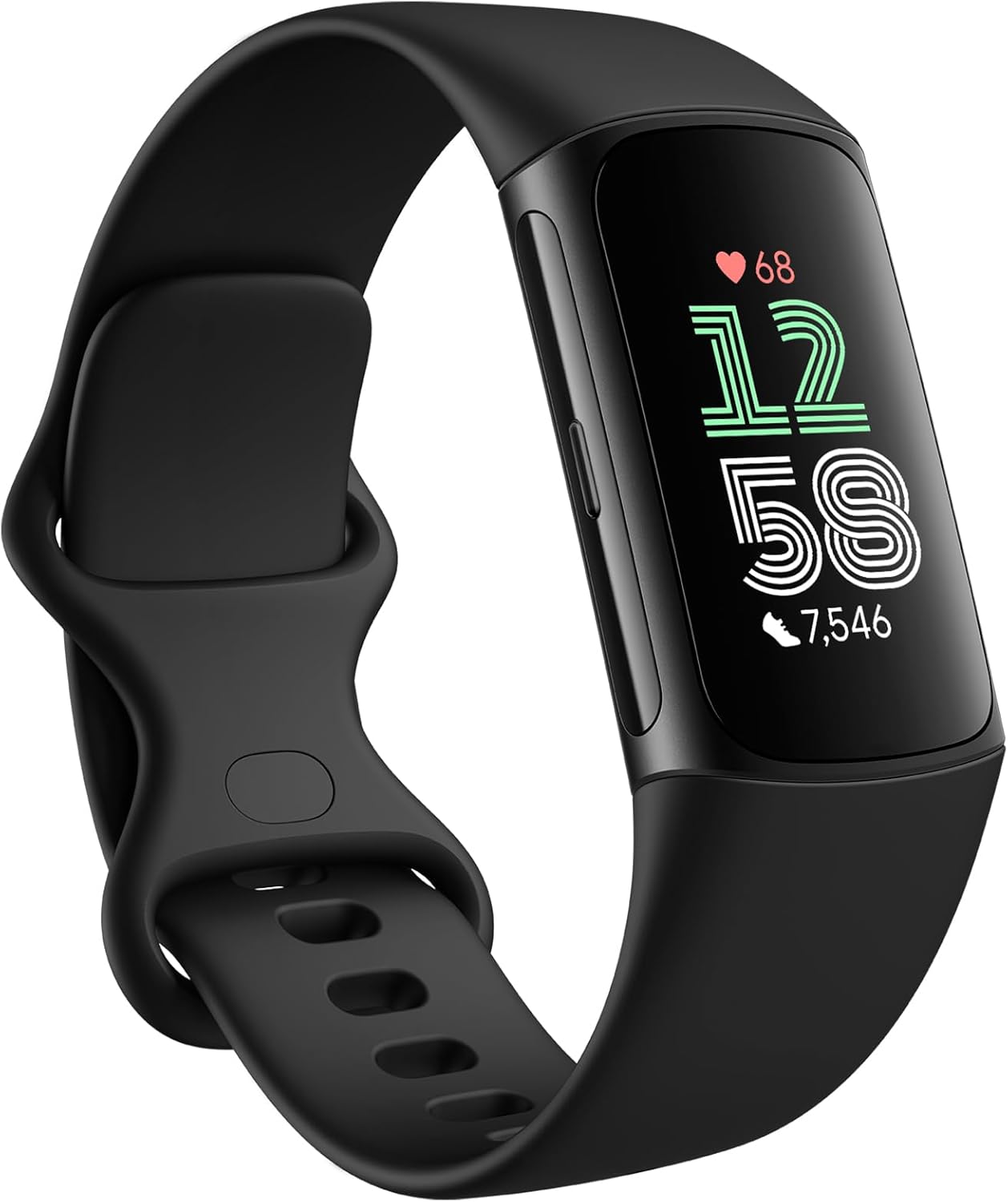
- Fitbit Charge 6 Fitness Tracker (Rating: 4.1/5): Comes in Obsidian/Black and Porcelain/Silver. Packed with built-in GPS for accurate outdoor tracking, Google apps (Wallet, Maps, YouTube Music), heart rate reading from gym equipment, 6-months of Fitbit Premium membership, and comprehensive health tools like ECG app and SpO2 monitoring.
Common across Fitbit trackers: Water resistance up to 50m, intuitive apps for iOS/Android, personalized Daily Readiness Scores, and community challenges to keep you motivated.
Why Choose Fitbit?
Fitbit stands out for its proven accuracy, validated by clinical studies, and beginner-friendly interfaces that grow with your fitness journey. Unlike basic pedometers, Fitbit provides holistic wellness insights— from Active Zone Minutes to Skin Temperature tracking—helping prevent burnout and optimize recovery. The ecosystem syncs effortlessly with smartphones, offering customizable dashboards and premium subscriptions for deeper analytics. With stylish, lightweight designs in multiple colors, they're ideal for 24/7 wear without bulk. High customer satisfaction (over 4-star averages) and frequent software updates ensure longevity. For affiliate shoppers, Fitbit offers reliable ROI through evergreen demand and promotional bundles like free Premium trials. Choose Fitbit for data-driven decisions that transform health habits into sustainable results.
FAQ
What is the difference between Fitbit Inspire 3 and Charge 6?
The Inspire 3 focuses on everyday tracking with stress management and 10-day battery, ideal for beginners (4.3/5 rating). Charge 6 adds GPS, Google apps, ECG, and gym equipment HR, suiting runners and tech enthusiasts (4.1/5), with 7-day battery and Premium included.
Do Fitbit trackers require a subscription?
Basic features are free, but Fitbit Premium (included 6 months with Charge 6) unlocks advanced insights like Daily Readiness and wellness reports for $9.99/month or $79.99/year.
Are Fitbit devices water-resistant?
Yes, all models like Inspire 3 and Charge 6 are water-resistant up to 50 meters, perfect for swimming, showers, and rain.
How accurate is Fitbit heart rate monitoring?
Fitbit's PurePulse technology offers clinically tested accuracy, especially during workouts, outperforming many competitors in independent studies.
Which Fitbit is best for sleep tracking?
The Inspire 3 excels with detailed sleep stages, score, and smart wake alarms, helping users improve rest quality effectively.