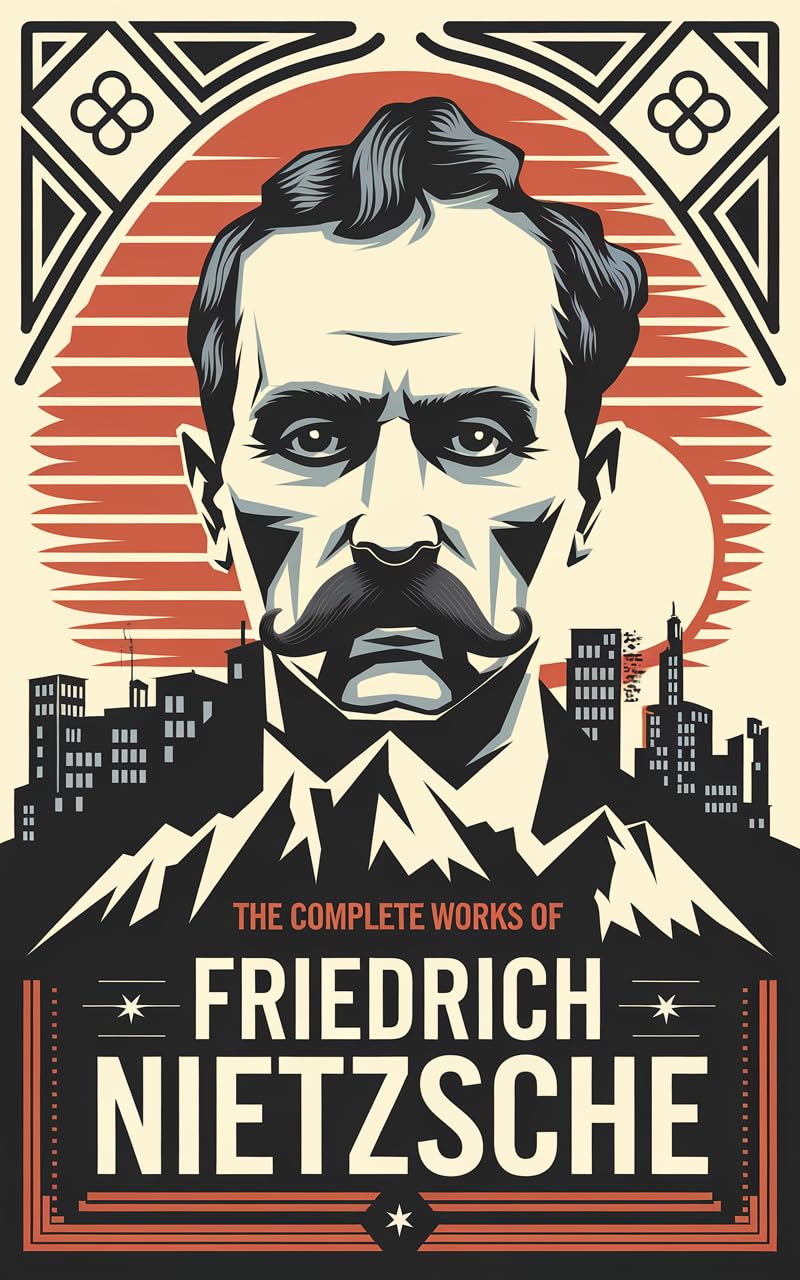
Friedrich Nietzsche stands as one of the most influential philosophers in history, renowned for his bold critiques of traditional morality, religion, and society. His works, spanning philosophy, politics, and social sciences, continue to challenge readers and shape intellectual discourse today. From provocative essays to epic narratives, Nietzsche's books offer deep insights into the human condition, power dynamics, and the will to power, making them essential reads for anyone seeking profound philosophical exploration.
The Enduring Legacy of Friedrich Nietzsche
Nietzsche's philosophy emerged in the late 19th century, blending poetry, aphorisms, and rigorous analysis to dismantle conventional values and propose radical alternatives. His ideas influenced existentialism, postmodernism, and beyond, earning him a reputation as a thinker who dared to question everything. What sets Nietzsche apart is his unflinching honesty and stylistic brilliance—his writing is not just intellectual but also literary, packed with metaphors, parables, and memorable declarations like 'God is dead.' For modern readers, his books remain vital for understanding the complexities of ethics, culture, and individual potential.
Quality is a hallmark of Nietzsche's works, with editions carefully curated to preserve his original voice. Publishers like Penguin Classics and Fingerprint Classics deliver accessible yet scholarly presentations, often with insightful introductions and notes. These products stand out for their intellectual depth and enduring relevance, appealing to a wide audience from casual readers to academic scholars.
What Makes Nietzsche's Philosophy Books Exceptional
Nietzsche's texts excel in their ability to provoke thought and inspire personal transformation. Unlike dry academic treatises, they engage readers emotionally and intellectually, encouraging a reevaluation of life's big questions. His critiques of herd mentality, slave morality, and nihilism resonate strongly in today's world of social media echo chambers and cultural shifts. Explore these gems in our Philosophy Books collection, where Nietzsche's influence shines brightest.
Reputation-wise, Nietzsche's works have withstood the test of time, translated into countless languages and studied in universities worldwide. They are praised for their prophetic insights into power structures and human psychology, making them indispensable for anyone delving into philosophy books on metaphysics and modern Western thought.
Who Should Read Nietzsche's Works
Nietzsche's books are ideal for independent thinkers, philosophy students, and those grappling with existential dilemmas. Professionals in psychology, literature, and politics often turn to him for fresh perspectives. Beginners might start with accessible aphoristic collections, while advanced readers appreciate his denser critiques. Whether you're navigating personal growth or academic pursuits, his ideas empower you to embrace life's challenges with vitality.
- Students and Academics: Perfect for courses in philosophy, ethics, and cultural studies.
- Self-Reflectors: Ideal for pondering morality and self-overcoming.
- Literature Lovers: Drawn to his poetic prose and narrative flair.
Key Product Categories Featuring Nietzsche
Nietzsche's portfolio thrives in specialized niches like Politics & Social Sciences under Philosophy, History & Schools of Thought in Western Modern traditions, and Kindle eBooks for metaphysics. These categories host his seminal titles, from standalone classics to comprehensive collections. Dive into philosophy books to find editions that align with your reading format—print for annotation or digital for portability. His presence in these areas underscores his role as a cornerstone of modern philosophical literature.
Standout products include Beyond Good and Evil in deluxe Penguin and Fingerprint editions, which dissect good versus evil through a Nietzschean lens, and expansive compilations like The Complete Works of Nietzsche, bundling masterpieces such as Thus Spake Zarathustra, Human All Too Human, and The Birth of Tragedy. These offerings cater to diverse preferences, ensuring every reader finds a gateway to his genius.
Frequently Asked Questions About Friedrich Nietzsche
What are Nietzsche's most influential books?
Key works include Beyond Good and Evil, which critiques moral foundations, Thus Spake Zarathustra with its visionary prose, and collections encompassing his full oeuvre. These form the core of his philosophical legacy.
Are Nietzsche's books suitable for beginners?
Yes, starting with aphoristic texts like Human All Too Human eases newcomers in, while annotated editions provide helpful context for deeper dives.
How do Nietzsche's ideas apply to modern life?
His concepts of the Übermensch, eternal recurrence, and will to power offer tools for personal empowerment amid contemporary uncertainties.
Where can I find Nietzsche in philosophy categories?
Check out dedicated sections like Philosophy Books for curated selections across print and Kindle formats.
Why choose classic editions of Nietzsche's works?
They ensure fidelity to the original text, with expert prefaces enhancing understanding without altering his provocative style.