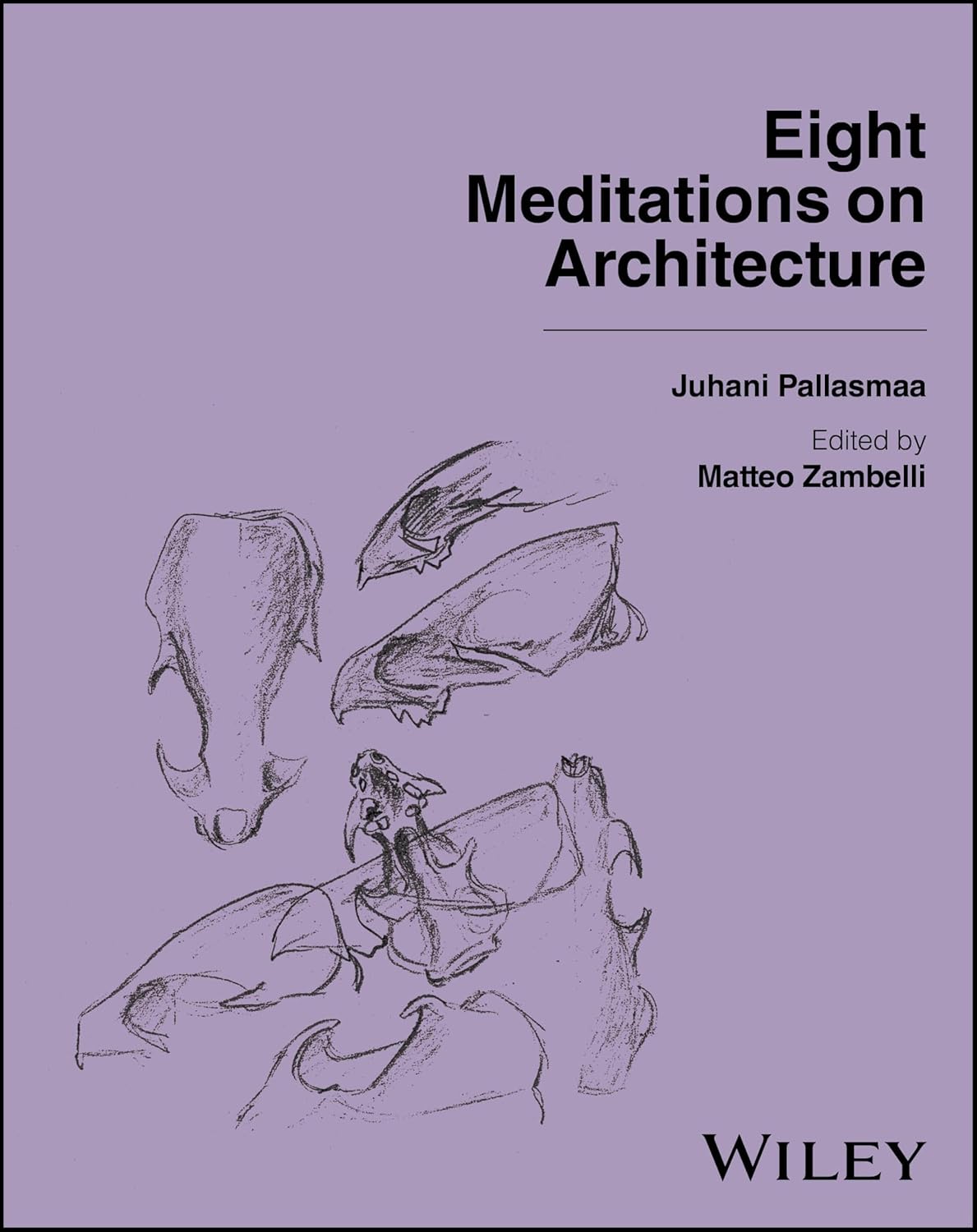
Juhani Pallasmaa stands as a pivotal figure in contemporary architectural thought, renowned for his eloquent and philosophical explorations of design and space. His works, primarily books categorized under Engineering & Transportation > Engineering > Reference > Architecture, delve into the meditative aspects of architecture, offering readers profound reflections that bridge theory and practice. Whether you're an architect seeking deeper understanding or a student of design, Pallasmaa's publications provide essential reading that transcends conventional technical manuals.
Brand Overview
Juhani Pallasmaa's contributions to the field of architecture are marked by a unique blend of personal introspection and scholarly rigor. His books invite readers to reconsider the sensory and existential dimensions of built environments, making them indispensable in the Architecture category. Unlike purely technical references, Pallasmaa's writings emphasize the humanistic side of engineering and design, drawing from decades of professional experience as an architect and academic.
What Makes Juhani Pallasmaa Stand Out
What sets Pallasmaa apart is his ability to articulate the intangible qualities of architecture—touch, light, materiality, and temporality—that often elude standard engineering texts. His publications stand out for their poetic yet precise language, appealing to professionals in Engineering who value both innovation and tradition. The brand's reputation rests on the enduring relevance of these works, which continue to influence architects, urban planners, and theorists worldwide. Quality is evident in the thoughtful curation of ideas, supported by meticulous research and evocative illustrations where applicable.
Product Quality and Reputation
Pallasmaa's books are celebrated for their high production standards, featuring durable bindings and clear typography that enhance readability during extended study sessions. They hold a sterling reputation among academics and practitioners for fostering critical thinking in architectural reference materials. Found reliably in the Reference sections, these titles are go-to resources for those pursuing mastery in design philosophy. The brand's consistency ensures that each publication builds on timeless principles, making them valuable long-term investments for personal or professional libraries.
Key Product Categories
Pallasmaa's portfolio aligns seamlessly with specialized niches:
- Books on Architecture: Core offerings like meditations on design fundamentals, ideal for introspective learning.
- Engineering & Transportation References: Insights applicable to structural and spatial engineering within transportation contexts.
- Engineering References: Philosophical underpinnings for technical engineering practices.
Explore these in our Books and Engineering & Transportation categories to see how Pallasmaa's works complement broader collections.
Who Are Pallasmaa's Products Best For?
These books are tailored for architecture students, practicing engineers, and design professionals who crave more than formulas—they seek the 'why' behind the built world. Ideal for those in academia or firms specializing in sustainable or experiential design, Pallasmaa's texts enrich coursework, inspire projects, and provoke discussions. Beginners may find them challenging yet rewarding, while experts appreciate the nuanced perspectives that refine their craft.
FAQ
What types of books does Juhani Pallasmaa publish?
Juhani Pallasmaa specializes in philosophical and reflective books on architecture, categorized under Engineering > Reference > Architecture, focusing on themes like sensory experience and design essence.
Why choose Pallasmaa's works for architecture studies?
His books offer unique meditative insights that complement technical training, enhancing understanding of spatial and human-centered design principles.
Are Pallasmaa's books suitable for engineering professionals?
Yes, they provide valuable reference material for engineers in architecture and transportation, bridging theory with practical design considerations.
Where can I find more architecture references like Pallasmaa's?
Check our Architecture and Reference category pages for similar thought-provoking titles.
How do Pallasmaa's books stand out in their categories?
They emphasize phenomenology and existential aspects of architecture, distinguishing them from purely technical engineering texts.