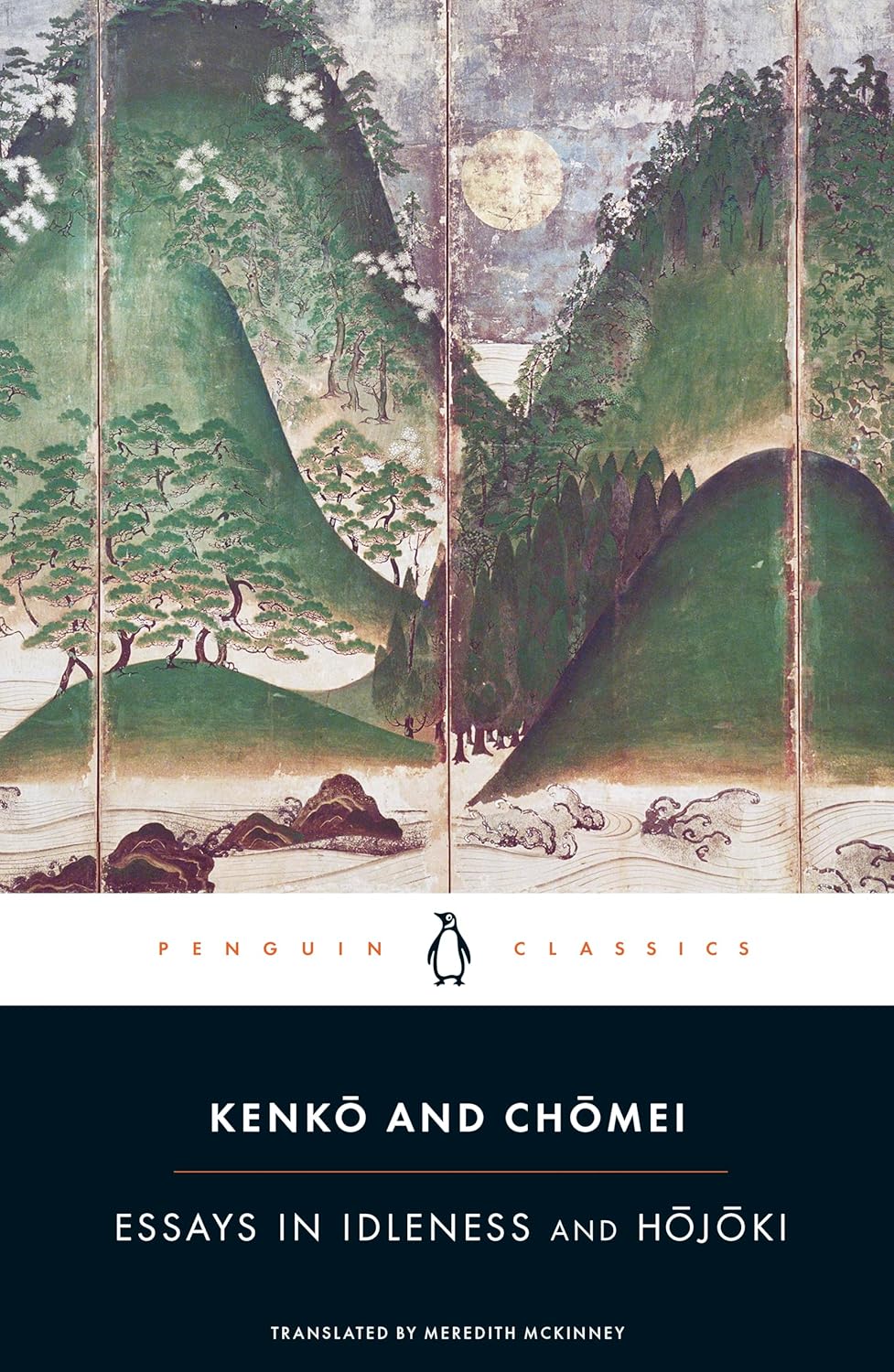
Kenko stands as a pillar of classical Japanese literature, renowned for his introspective essays that capture the essence of medieval life, impermanence, and philosophical musings. As Yoshida Kenkō, a Buddhist monk and courtier from the 14th century, his works offer enduring wisdom through elegant prose, making them essential reads for lovers of Eastern philosophy and reflective writing. Featured in prestigious Penguin Classics editions, Kenko's products blend historical depth with accessible translations, perfect for modern readers seeking profound insights.
Discovering the Legacy of Kenko
Kenko's contributions to literature stem from his unique perspective as a scholar who witnessed the turbulent Kamakura and early Muromachi periods in Japan. His writings transcend time, addressing universal themes like the fleeting nature of existence and the beauty in simplicity. What sets Kenko apart is his unpretentious style—short, poignant vignettes that invite contemplation rather than preach doctrine. This approachable yet profound approach has cemented his reputation as a master of the essays genre, influencing generations of thinkers and writers.
What Makes Kenko's Works Stand Out
Kenko's product quality shines through meticulous Penguin Classics presentations, featuring expert translations that preserve the original's poetic nuance. These editions include insightful introductions and notes, enhancing understanding for both novices and scholars. The brand's reputation rests on authenticity and literary excellence, with texts that resonate in categories like philosophy and social commentary. Unlike more didactic philosophical tomes, Kenko's essays feel personal and conversational, drawing readers into a world of quiet observation.
- Timeless themes of impermanence and human folly
- Concise, digestible passages ideal for daily reflection
- High-quality bindings and scholarship in Penguin formats
Readers appreciate how Kenko bridges personal anecdote with broader societal critique, making his books invaluable for those exploring Eastern thought.
Who Are Kenko's Products Best For?
Kenko's offerings appeal to philosophy enthusiasts, literature students, and anyone drawn to minimalist wisdom. Ideal for fans of Zen Buddhism, Japanese aesthetics, or introspective nonfiction, these works suit contemplative readers who enjoy dipping into short essays rather than lengthy narratives. Whether you're studying essays in academic settings or seeking personal growth, Kenko provides nourishment for the mind. Professionals in creative fields also find inspiration in his observations on art, nature, and transience.
Key Product Categories
Kenko's portfolio centers on philosophical essays, fitting snugly into movements that emphasize mindfulness and existential reflection. His flagship title, Essays in Idleness and Hojoki, exemplifies this, pairing his own Tsurezuregusa with Kamo no Chōmei's complementary Hōjōki. Both explore life's ephemerality amid historical calamities, offering a duo of meditative prose. This Penguin Classics volume represents the pinnacle of Kenko's accessible philosophy, encouraging readers to ponder their own lives through historical lenses.
In broader contexts, Kenko's works align with politics and social sciences by subtly critiquing courtly excesses and societal shifts, all while rooted in personal philosophy. For those navigating essays collections or philosophical movements, this brand delivers unmatched depth.
Why Choose Kenko for Your Library
Investing in Kenko means embracing literature that challenges and soothes. The enduring appeal lies in its relevance—lessons on detachment and appreciation remain vital in today's fast-paced world. Penguin's commitment to quality ensures these texts withstand repeated readings, becoming cherished companions. Whether building a collection of Eastern classics or exploring new viewpoints, Kenko elevates any bookshelf with its blend of elegance and insight.
What is Essays in Idleness?
Essays in Idleness, or Tsurezuregusa, is a collection of 243 short passages by Yoshida Kenkō, reflecting on diverse topics from nature to human behavior, written in the early 14th century.
Who was Yoshida Kenkō?
Yoshida Kenkō was a Japanese poet, essayist, and monk who served at the imperial court before retreating to contemplative life, authoring works that blend memoir and philosophy.
How does Hojoki complement Kenko's essays?
Hojoki, by Kamo no Chōmei, shares Kenko's focus on impermanence, recounting disasters and monastic simplicity, making the Penguin pairing a cohesive exploration of transient existence.
Are Kenko's works suitable for beginners in Japanese philosophy?
Yes, the bite-sized essays and clear translations make them approachable entry points into concepts like mono no aware, without requiring prior knowledge.
Where can I find more like Kenko's essays?
Explore similar reflective writings in our essays category for more philosophical gems from various traditions.