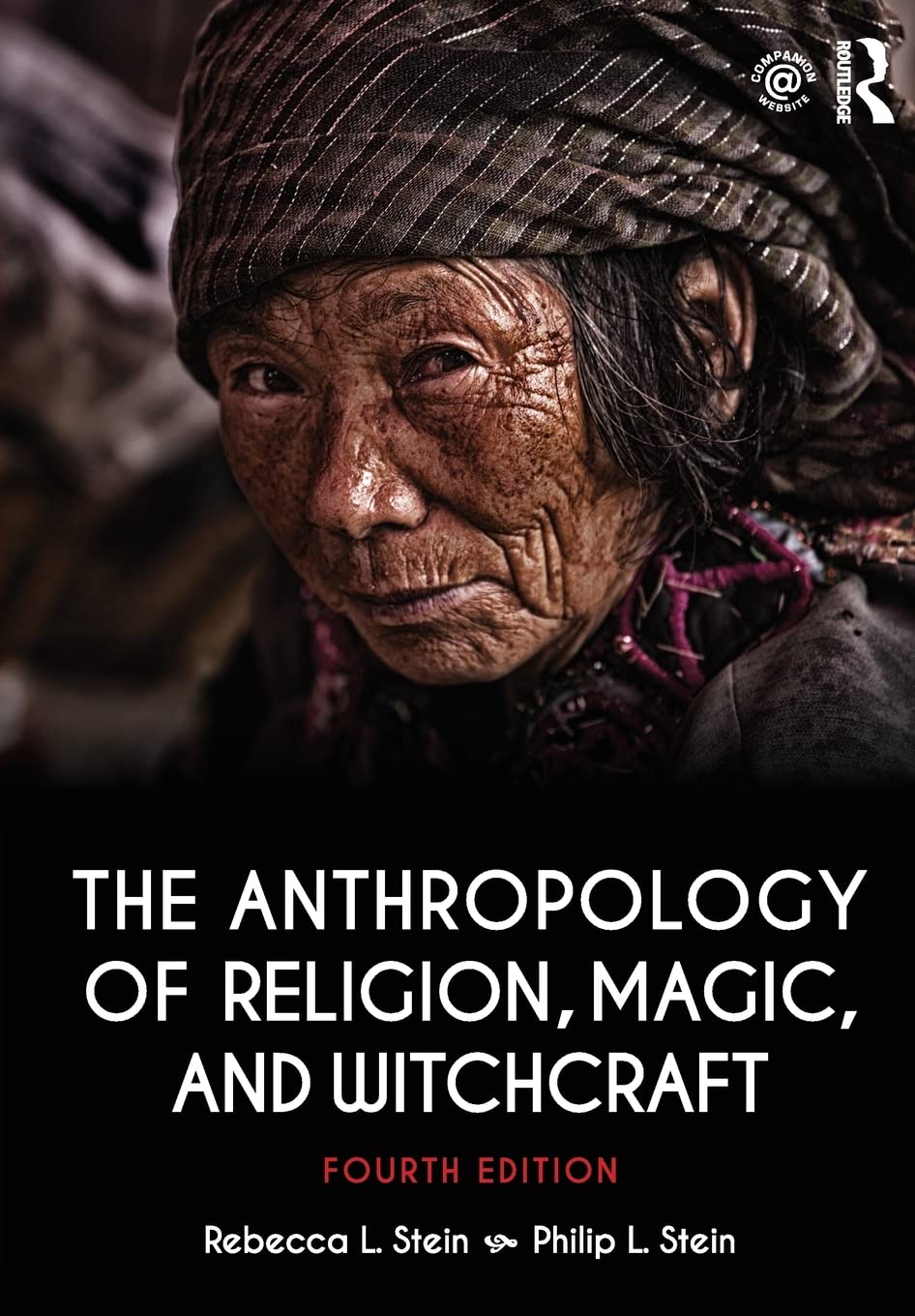
Rebecca L. Stein stands out in the world of academic publishing with her compelling works that bridge anthropology and spirituality. Best known for titles like The Anthropology of Religion, Magic, and Witchcraft, her books offer readers a nuanced exploration of indigenous religions, sacred texts, and mystical practices across cultures. These thoughtfully crafted volumes appeal to students, scholars, and anyone fascinated by the intersections of belief systems and human society.
Brand Overview
Rebecca L. Stein's contributions to the field focus on demystifying complex topics in religion and anthropology. Her writing style combines rigorous research with accessible prose, making esoteric subjects approachable without sacrificing depth. Whether examining witchcraft traditions or indigenous spiritual frameworks, Stein's books provide a balanced perspective that respects cultural contexts while encouraging critical thinking.
What sets her brand apart is the emphasis on real-world applications of anthropological theory. Readers gain not just knowledge but also tools to understand contemporary spiritual movements through a historical and cultural lens. This approach has earned her a loyal following among educators and self-learners seeking authoritative resources.
Product Quality and Reputation
Stein’s books are celebrated for their scholarly integrity and engaging narratives. Each title undergoes meticulous research, drawing from diverse sources to present comprehensive views on topics like magic, shamanism, and ritual practices. The result is content that stands the test of time, frequently recommended in university curricula and personal study collections.
Her reputation as a trusted voice in Anthropology Books stems from the clarity and empathy in her analyses. Reviewers praise the way she weaves ethnographic examples with theoretical frameworks, fostering a deeper appreciation for global spiritual diversity. This quality ensures her works remain relevant for both novice explorers and seasoned academics.
Who Are Her Products Best For?
Rebecca L. Stein's books are ideal for undergraduate and graduate students in anthropology, religious studies, or cultural sociology. They also attract spiritual seekers interested in indigenous traditions and practitioners of modern witchcraft looking for anthropological grounding. Professionals in fields like counseling or cultural heritage benefit from the insights into belief systems' societal impacts.
- Students preparing for exams on religion and culture
- Researchers exploring sacred texts and rituals
- Enthusiasts of Anthropology Books seeking cross-cultural perspectives
- Anyone curious about the anthropology of magic
Key Product Categories
Stein’s portfolio shines in niches like Religion & Spirituality, particularly Other Religions, Practices & Sacred Texts, and Indigenous traditions. Her flagship book delves into the anthropology of religion, offering chapters on myth, ritual, and altered states of consciousness. These works naturally align with broader explorations in anthropology books, providing foundational reading for understanding human spirituality.
By focusing on these categories, Stein helps readers navigate the rich tapestry of global beliefs, from shamanic practices to contemporary pagan revivals. Her books serve as gateways to deeper study, often cross-referenced in related fields.
Frequently Asked Questions
What topics does Rebecca L. Stein cover in her books?
Her works primarily explore the anthropology of religion, magic, witchcraft, and indigenous spiritual practices, blending theory with ethnographic insights.
Are her books suitable for beginners?
Yes, Stein's accessible writing makes complex anthropological concepts approachable for beginners while offering depth for advanced readers.
How do her books contribute to anthropology studies?
They provide essential frameworks for understanding rituals, myths, and belief systems, making them staples in Anthropology Books collections.
Can these books be used in academic settings?
Absolutely, they are widely adopted in university courses on religion, culture, and spirituality due to their scholarly rigor.
Where can I find more on indigenous religions?
Stein’s titles offer excellent starting points, with connections to broader anthropology resources for further exploration.