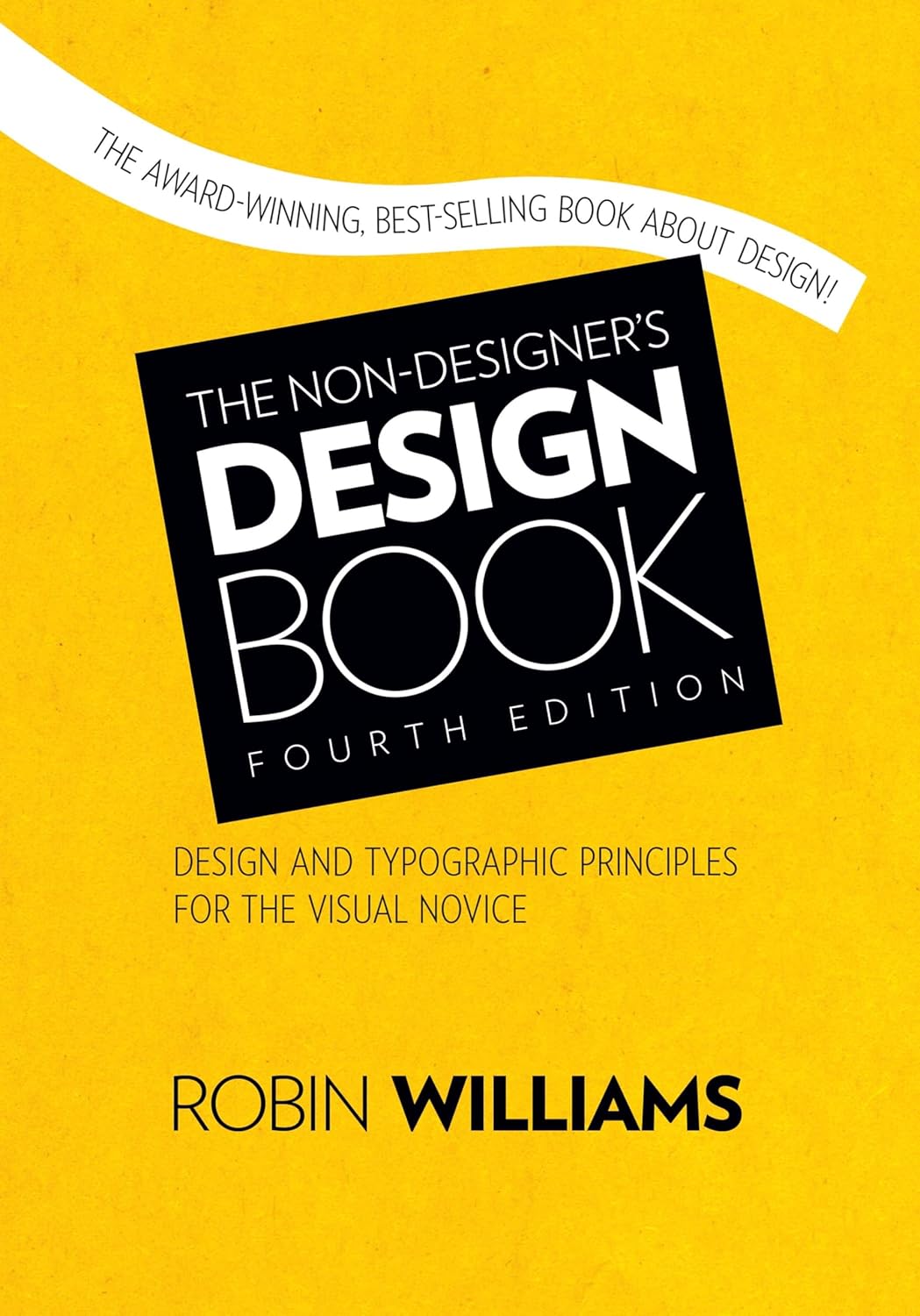
Robin Williams has long been a beacon in the world of graphic design education, offering books that break down complex concepts into simple, actionable advice. Known primarily for titles in the arts and photography niche, particularly graphic design, his work empowers non-designers and seasoned pros alike to create visually compelling content without needing advanced software skills.
Brand Overview and Legacy
With a focus on practical graphic design principles, Robin Williams' books stand out for their approachable style and timeless relevance. His publications emphasize core rules like contrast, repetition, alignment, and proximity—fundamentals that remain vital in today's digital landscape. Whether you're a beginner dipping into graphic design books or a professional refining your craft, Williams' guidance provides clarity and inspiration.
What Makes Robin Williams' Products Stand Out
The hallmark of Robin Williams' brand is accessibility. His books avoid jargon-heavy explanations, instead using real-world examples and exercises to illustrate points. This user-friendly approach has earned a stellar reputation among educators, self-taught designers, and marketing professionals. Quality is evident in the thoughtful layout, engaging visuals, and enduring advice that applies across print, web, and beyond. In a sea of technical manuals, Williams' titles shine by prioritizing understanding over tools.
- Clear, step-by-step breakdowns of design fundamentals
- Visual examples that reinforce concepts
- Timeless principles adaptable to modern software
- Ideal for hobbyists, students, and career switchers
Product Quality and Reputation
Robin Williams' books are crafted with precision, featuring high-quality production values like durable bindings and vibrant imagery. Readers consistently praise their role in sparking creative confidence. As a staple in graphic design books collections, they hold strong resale value and frequent reprints, signaling broad appeal and reliability. The brand's reputation rests on delivering value that translates directly to better design outcomes.
Who Are These Products Best For?
These books excel for a wide audience: entrepreneurs building brands, writers enhancing layouts, teachers introducing design basics, and anyone exploring graphic design books for the first time. They're not just for novices—experienced designers revisit them for refreshers on foundational rules. If you're frustrated with inconsistent visuals in your work, Williams' structured insights offer a roadmap to improvement.
Key Product Categories
Robin Williams' portfolio centers on books in arts and photography, with a strong emphasis on graphic design. Explore standout titles like The Non-Designer's Design Book, which covers essential techniques for effective communication through visuals. These resources fit seamlessly into broader explorations of graphic design books, providing foundational knowledge that complements advanced topics in typography, layout, and branding.
Frequently Asked Questions
What is Robin Williams best known for in graphic design?
Robin Williams is renowned for The Non-Designer's Design Book, which introduces the CRAP principles (Contrast, Repetition, Alignment, Proximity) in an easy-to-grasp format, making design accessible to all levels.
Are Robin Williams' books suitable for beginners?
Absolutely—these books are designed for non-designers, starting from basics and building confidence without assuming prior knowledge.
How do his books apply to modern design tools?
The principles taught are tool-agnostic, applying equally to Adobe Suite, Canva, or any platform, focusing on universal best practices.
Can professionals benefit from these books?
Yes, even experts use them as quick references to refine fundamentals and avoid common pitfalls in their projects.
Where do Robin Williams' books fit in graphic design education?
They serve as core texts in introductory courses and self-study, often recommended alongside explorations in graphic design books categories.