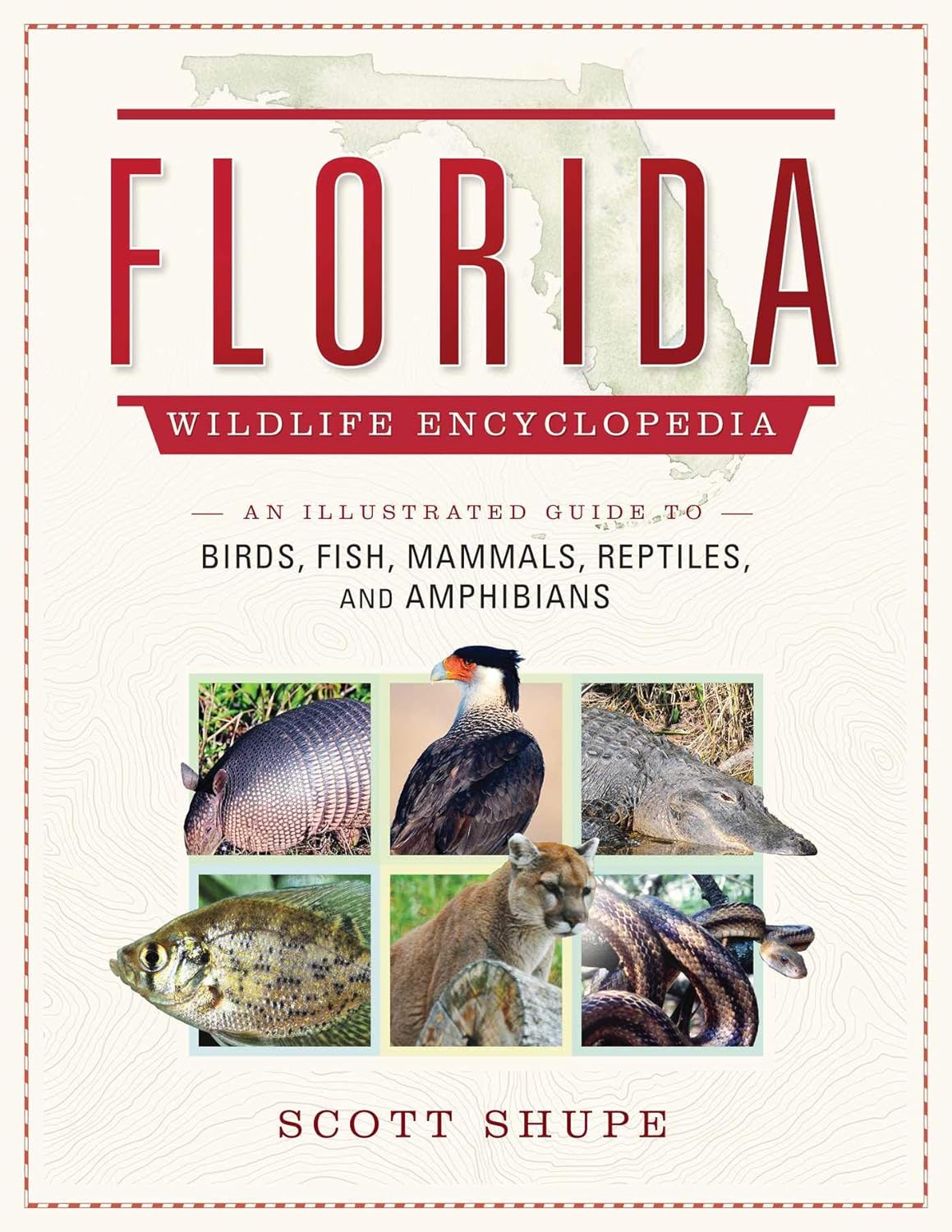
Scott Shupe stands out as a dedicated author in the realm of natural history publishing, renowned for his comprehensive illustrated encyclopedias on regional wildlife. His books delve into the diverse ecosystems of specific U.S. states, offering vivid guides to birds, fish, mammals, reptiles, and amphibians that appeal to nature enthusiasts, educators, and outdoor explorers alike.
Discovering the World of Scott Shupe Publications
Scott Shupe's work bridges science, history, and local ecology, making complex biological information accessible through stunning visuals and meticulous research. His encyclopedias are not just reference books; they are gateways to understanding the unique biodiversity of American regions. Whether you're a birder spotting species in urban parks or a family planning a nature hike, Shupe's guides provide the depth needed for meaningful exploration.
What Sets Scott Shupe Apart in Wildlife Literature
Shupe's books excel in their balance of scientific accuracy and engaging presentation. Each volume features high-quality illustrations that bring species to life, paired with detailed descriptions of habitats, behaviors, and conservation status. This approach distinguishes his work from generic field guides, positioning it as essential reading for those serious about regional wildlife studies. Readers appreciate the focus on state-specific content, which ties into broader categories like Wildlife Books, where his titles shine.
Quality is evident in the durable binding and full-color photography, ensuring these books withstand field use. Shupe's reputation rests on reliability—his encyclopedias are trusted by educators for classroom resources and by hobbyists for personal collections. In a market flooded with superficial overviews, Shupe delivers substance, fostering a deeper appreciation for local ecosystems.
Ideal Readers for Scott Shupe's Wildlife Encyclopedias
These books are perfect for a wide audience: avid hikers mapping out wildlife sightings, students researching state biology, or retirees embracing birdwatching. Families find them invaluable for sparking interest in nature during vacations. Professionals in environmental science or tourism also turn to Shupe for authoritative references that inform their work. If you're passionate about the interplay of biology and regional history, his guides fit seamlessly into your wildlife books collection.
Exploring Key Product Categories
Scott Shupe's portfolio centers on specialized wildlife encyclopedias, categorized under biological sciences and U.S. state history. His titles cover:
- Birds, Fish, Mammals, Reptiles, and Amphibians: In-depth profiles with illustrations, ideal for field identification within broader wildlife books.
- Regional U.S. Focus: State-by-state breakdowns that highlight local history and ecology intersections.
- Illustrated References: Visual-heavy formats suited for all ages, from beginners to experts.
These categories make Shupe's books versatile additions to any nature library, especially when browsing related selections in Wildlife Books.
Spotlight on Signature Titles
The New York Wildlife Encyclopedia: An Illustrated Guide to Birds, Fish, Mammals, Reptiles, and Amphibians captures the Empire State's rich diversity, from urban fish in the Hudson to alpine mammals in the Adirondacks. It's a must-have for anyone exploring the Northeast's hidden natural gems.
Likewise, the Florida Wildlife Encyclopedia: An Illustrated Guide to Birds, Fish, Mammals, Reptiles, and Amphibians immerses readers in the Sunshine State's subtropical wonders, detailing Everglades alligators and coastal sharks. Both exemplify Shupe's commitment to comprehensive, user-friendly wildlife documentation.
Frequently Asked Questions
What makes Scott Shupe's books suitable for beginners?
Shupe's encyclopedias use clear language, vibrant illustrations, and organized sections, making them approachable for newcomers while offering depth for seasoned enthusiasts.
Do these books focus on specific U.S. regions?
Yes, titles like those on New York and Florida provide targeted coverage of local species, habitats, and history, perfect for regional explorers.
Are Scott Shupe's guides good for field use?
Absolutely—their sturdy construction and portable size make them reliable companions for hikes, birding trips, or classroom outings.
How do Shupe's books contribute to wildlife education?
By blending science with visuals, they educate on conservation, biodiversity, and ecology, aligning with resources in categories like Wildlife Books.
Can families enjoy these encyclopedias together?
Definitely; the engaging illustrations and fun facts appeal across generations, fostering shared family adventures in nature.